
Still Learning from Matt Shade
Share: X · Facebook · LinkedIn · Reddit · Bluesky · Threads · Email
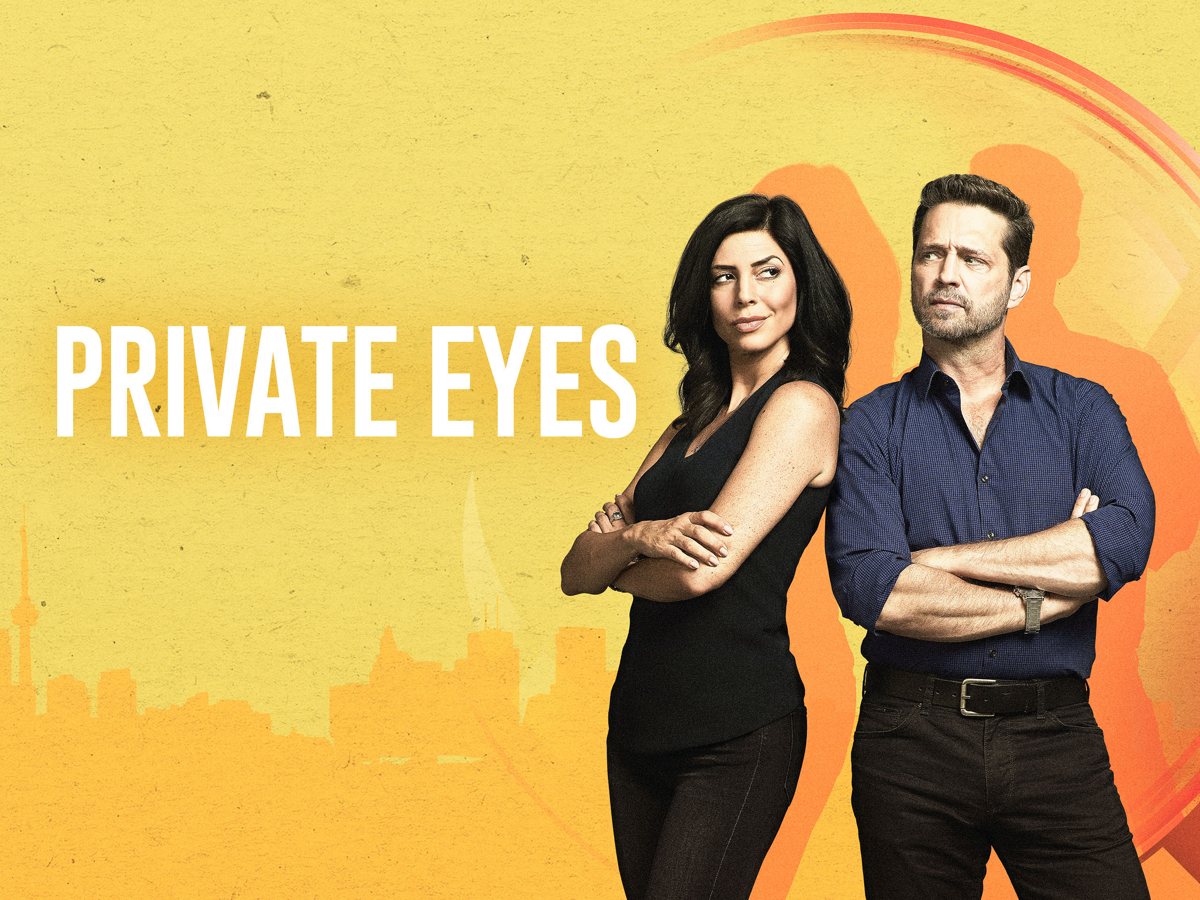
In October I wrote about what Private Eyes taught me about pride and going back: how I leave people forever, how I burn the bridge on the way out so nobody sees me wanting to stay, and how a Canadian detective show handed me the distinction I'd been missing between self respect and pride. That essay ended with me practicing the small moves and watching Jason Priestley play a man who keeps coming back.
I'm twenty-nine episodes in now, the whole first two seasons behind me and the third just opened, and I'm still learning all of my life lessons from this show. I'm still becoming a better man, still exploring the depths of perception, still working out the relationships between fathers and daughters, ex-husbands and ex-wives, business partners, friends, and employers and employees. I said in the first piece that Private Eyes is 80 percent psychology and 20 percent entertainment, and two more seasons have only made me more sure of the ratio. The cases keep solving themselves in the background while the real curriculum runs up front.
Start with the job itself, because I missed it the first time through. Shade doesn't begin as Angie's partner; he begins as her problem, then her hire. She is the professional, the license, the agency with her dead father's name on the door, and he is the ex-hockey player working for her, studying for an exam he keeps dodging. The second season opens with her naming him her equal partner, and the show earns that promotion the slow way, episode by episode, the way real partnerships actually get built: not by announcement, but by accumulation. I have been the employee who wanted the title before the trust, and I have been the partner who withheld it, and watching the two of them negotiate their way to equals—out loud, in the open, without either one keeping score in secret—taught me more about my own working life than the pride lesson I started with.
Then the second season ends with Angie behind bars, conned into stealing government intelligence, and the third opens with her in a cell. Everything I wrote in October gets tested in that premiere, because Shade does the thing I said I don't do: he comes back, at cost, at risk, without being asked twice and without keeping a receipt. He works the case from outside while she holds her own inside, and neither of them treats her trouble as a reason to renegotiate the relationship. I have left people over so much less than a felony. The show keeps handing me the same examination and I keep not quite passing it, which is presumably why I keep watching.
The longer I sit with it, the more I think the show is secretly about perception, which is a private investigator's whole trade and, it turns out, mine. Shade's gift is that he notices things; Angie's is that she doesn't believe the first thing she notices. Jules, who can't see at all, routinely perceives the room more accurately than either of them. A blind teenager in a detective show is not a gimmick here; she is the thesis. The people who trust their eyes fastest get fooled, and the person who has to build the world out of other evidence gets it right. I have SDAM and aphantasia, so I build people out of evidence too, out of the words in front of me, and this show is the first one I've found that treats that way of knowing as a discipline instead of a deficit.
I went looking for what other people have made of all this, and the chorus surprised me. The professional critics mostly file Private Eyes as comfort food, a breezy Castle-in-Toronto that leans on the chemistry of its leads, with a few national critics grumbling that the whole enterprise exists to keep a Canadian icon employed. The family writers and the mommy blogs could not care less about any of that; for them the show is Shade raising Jules in a three-generation house with his father, co-parenting with his ex-wife without turning it into a war, and letting a blind daughter be competent instead of tragic. The therapist bloggers, meanwhile, have found their own show inside the show: a retired athlete grieving the identity that ended, learning to trade the man-child performance for an actual partnership, two people with opposite attachment styles building security the slow way. Everyone is watching a different program, and every one of them is right, because the case of the week is just the table the real meal gets served on.
So, an update on the student: I am still practicing the small moves, the second call, the same-day apology, the door left standing. Season 3 has twenty more episodes ahead of me, and a whole sequel after that, and I expect to still be learning my life lessons at the finale. Some men get a therapist, some men get a sponsor, and some of us get a Canadian detective show with a Hall & Oates theme and a leading man who makes decency look like strength. I'm not embarrassed by any of it. Decency, practiced daily and on purpose, is the whole curriculum—and Matt Shade is still ahead of me in the coursework.
As an Amazon Associate I earn from qualifying purchases.
Share: X · Facebook · LinkedIn · Reddit · Bluesky · Threads · Email