Read the full transcript (3,578 words, machine made)
Welcome to the deep dive. Today we're we're stepping into something a bit different, not just policy analysis, but a perspective framed with these really, really vivid metaphors. Yeah, almost visceral, you could say. Exactly. The core idea from our source today is that sometimes, you know, medicine isn't about gentle antibiotics. Sometimes it's about the scalpel. Unnecessary intervention.
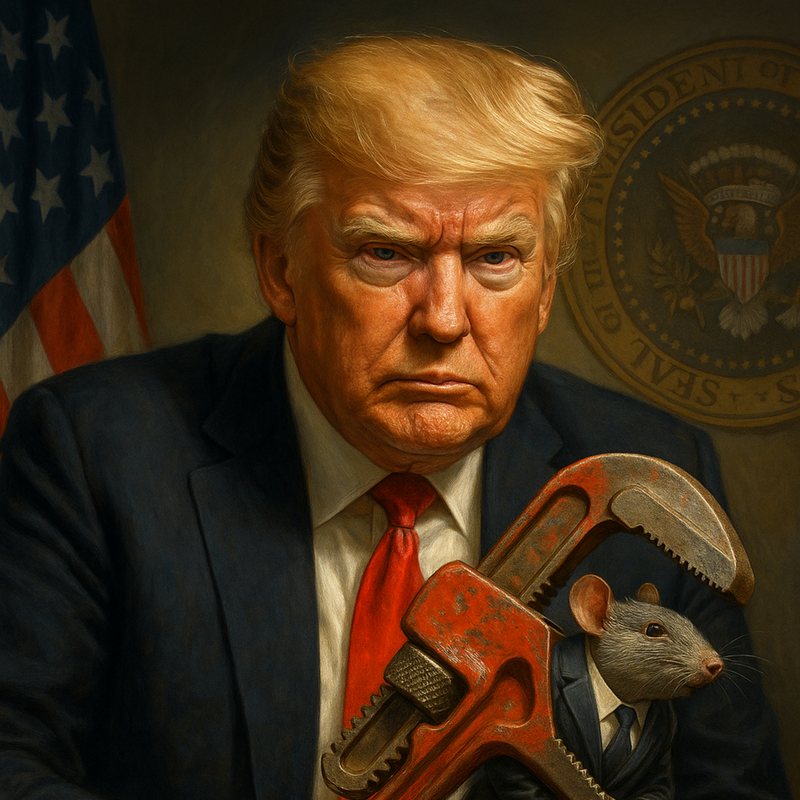
And that's how our source material called Cutting Out the Rod positions a potential second term for Donald Trump, not as standard politics, but as well critical surgery on the American Republic itself. It's a really striking image right off the bat, isn't it? It immediately shifts the frame from, say, legislative debates to something much more fundamental. A full blown surgical theater metaphor for how government might operate. It absolutely is, and what jumps out, I think, is how different the source claims this approach would be compared to the first term. There's this immediate emphasis on a total change in strategy. And not just adjustments.
No, not at all. The source wants you to see this as a deliberate, almost clinical rethinking of how power might be used. The language itself, it sets a very serious, very decisive tone from the get go. Moving from what it calls a more chaotic first run. To something, it presents as far more calculated, surgically precise. Perhaps keeping with their metaphor, it really hammers home that this is conceptualized as a completely new approach to governing.
Right. So our mission today for you listening is to really unpack this specific viewpoint from cutting out the rot. We're going to dig into its main arguments, look at who or what it actually targets, and it's broader than you might. Think much broader than just federal agencies. Yeah.
And the methods it describes, retty, drastic methods. Frankly, our goal is to pull out the key insights, the suprising bits, the core narrative, so you get a solid understanding of this particular perspective without getting lost in the, well, the intensity of it all. It's about understanding the source's view why its proponents argue it's necessary. Exactly understanding the why from their perspective. So the source really dives right in with this medical analogy.
It argues, look, sometimes icing a knee just won't cut it. The damage is too deep. The antibiotics won't clear the infection. Right, you need surgery. And the source states point blank, Donald J Trump's second term is that surgery. It's not subtle.
No, it's not. And what's fascinating there, if you think about the underlying assumption, is the idea that the system itself is portrayed as being so fundamentally sick. That it needs cutting out, not fixing. Precisely, it implies this deep pervasive rot, to use their term, that conventional politics, legislation, reform, none of that can touch it from this. Viewpoint. So only drastic painful measures will do. Irreversible measures, even.
That's the implication. We're not talking minor adjustments here. We're talking excision amputation, as the source leader calls it. And the imagery gets it's even stronger. It contrasts this proposed second term, the surgery, with what it describes, maybe a bit mockingly, as the swaggering improv comedy Seat of the Pants First term.
Like a disruption that didn't have a clear follow through. Yeah, like someone crashing a party but not really changing the venue. The second term, the Source, paints a picture of a leader returning with a scalpel in one hand and a blowtorch in the other. You can almost picture that, can't you? Scalble for cutting low torch for.
Cauterizing, maybe, ensuring it doesn't grow back. The mission, it says, is to cut out what he calls the rot and flesh out what his people call the moles. That blowtorch image is potent. It suggests not just removal, but a kind of ruthless minality. No chance of recurrence it.
Really underscores this shift from just disruption to something the source sees as a systematic dismantling. Exactly, the metaphor implies the patient the Republic is so I'll that anything less than this aggressive surgery would just be, you know, managing symptoms while the underlying disease gets worse. It's a very stark view of governance which. Leads us straight into why the source argues this is necessary. It flat out states that the first term, well, it didn't do it.
Didn't achieve the goal. Right, it says. Trump left the choir in place, didn't purge the ranks, didn't fire everyone who, from this perspective, needed firing. This is presented as a key lesson learned. It perceives failure that informs the new strategy.
Definitely, the source claims this entity, this thing it called the intercom. We'll get to that. It just waited him out so. The implication is that a less confrontational, maybe less systematic approach just didn't work against what the source portrays is this entrenched system. It just absorb the shock and carried on. That narrative really sets the stage for the aggression described for a second term.
It paints this picture of the bureaucracy or this intercom, as not just resilient but actively resistant, almost like its own Organism. Yeah, like something with its own survival instinct. It weathered the storm, according to the source, by just enduring it bidding its time. And because of that perceived resilience, the source argues, a much tougher, more systematic approach is needed this time. It's an interesting view of bureaucratic power, less as just people doing jobs, more as this self healing entity that needs to be taken apart. Not just, you know, worked around. It justifies the radical means by framing the target as exceptionally resistant.
The source drives this home by claiming that when the Biden administration came in, they just plugged the phones back in, rehired the bench players, and went right back to running the show. Business as usual resumed, essentially. So from the sources viewpoint, the first term was like an incomplete revolution, a disruption that ultimately didn't stick. Which then, in this narrative, sets the stage for something much more thorough, more systematic, more aggressive, really. The argument is basically the failure to cut deep enough the first time allowed the rot to spread, making the surgery even more urgent now.
Yeah, OK, so let's talk about the target of this so-called surgery. The force introduces this key term, the intercom. What is that exactly? Well, it's crucial to understand this isn't just one agency. It's presented as the sprawling, interconnected network that's the main target. Sprawling is right.
The source calls it a network of Ng OS media organs, State Department adjacencies, US side soft power tentacles, public private influence, laundromats. It's a real mouthful. It is, but it tells you immediately that the scope from this perspective goes way beyond just government buildings in DC. It reaches into civil society, media, international relations. Things many people might see as separate from the core government functions. Exactly.
And that raises a key point. The source isn't just focused on bureaucrats, it's targeting this whole ecosystem. It labels the intercom. An ecosystem of influence. That's how it's framed, operating behind the scenes, shaping narratives, wielding power in ways that aren't always obvious. Breaking down the components Ng OS Media USA helps you visualize just how broad this target is.
It's. Not just one department head they're talking about replacing. No, it's about dismantling, or at least depowering, an entire web of perceived influence. And within this intercom, the source talks about individuals it labels moles working towards subversion is the term used. Right. And the claim is pretty stark that the entire executive branch, from DOJ to state to the Pentagon's upper ranks, is shot through with loyalists to an opposing ideology. That language shot through loyalists opposing ideology. It's very confrontational.
It frames it not as disagreement, but as internal opposition, like an enemy within. Yeah, it's just active betrayal, ideological warfare happening inside the institutions. Which politically is a very potent claim. Hugely potent, the mole concept transforms political opposition into something closer to, well, espionage or sabotage from the inside. So. It's not just policy differences. Not according to this source.
It's presented as a deliberate hidden undermining. The idea that whole departments are filled with people loyal to an opposing ideology basically reframes governance itself as a constant battle against internal enemies. And that perception, whether accurate or not, becomes the justification for the extreme measures the source then proposes. It paints a picture of a system so compromised it needs purging. So, OK, how would this actually happen? This scorched earth doctrine, as the source calls it, it brings up the Elon Musk fire half the company model. Yeah, that comparison is very deliberate. The source claims that hypothetically, within weeks of retaking the White House, Trump began executing a plan that looks like the Elon Musk fire half the company model, but applied to government.
Applied to federal agencies, NGOs and grant pipelines, not just tech workers. Which suggests something very fast, very large scale, not targeted removals based on individual performance reviews. Right. It implies a broad systematic reduction and using that private sector analogy, the must comparison suggests efficiency, speed, maybe even a certain ruthlessness in restructuring government. And the source gets specific about the mechanics. Talks about mass terminations at the Department of Justice, State Department, USAID.
And it mentions voluntary retirement that weren't voluntary, right? Plus. Contractors sent packing, entire NGO budgets zeroed out. It sounds less like trimming the fat and more like. A deliberate dismantling. And what's key here, I think, is how the source contrasts the official reason budget cuts with the unofficial reality. It presents a perch.
A duality of purpose stated versus actual intent. Exactly. It paints a picture of a strategy designed for immediate, significant impact across specific institutions, using budget mechanisms as the tool, or perhaps the cover for a deeper ideological goal. And this goes beyond just government employees, right? The source makes that. Clear.
Oh, absolutely. It explicitly mentions shuttering USA projects, pulling grants from public media, axing State Department cultural outreach programs, zeroing out funding for advocacy NGOs. So for you listening, this means that from the perspective laid out in Cutting out the Rot, even organizations you might think of as non political or even beneficial like public media or cultural programs. They're seen as part of the problem part of this intercom. And therefore targets for defunding.
It's hitting the whole ecosystem, America's soft power, foreign aid and NGO ecosystem, as the source puts it. And connecting that to the bigger picture, the framing is explicit. It's about cutting off the oxygen that keeps the other side's infrastructure live. Not just stopping a program, but starving the network. Precisely. And the source even names names NPR, PBS, the Corporation for Public Broadcasting, saying they'd lose their sugar supply. Which shows just how broad the targeting is conceived to be in this document.
It extends to institutions central to public information and culture. It really underscores the view that these entities are considered integral parts of this intercom and subject to the same surgical approach of really comprehensive strategies being described. So what's the real motivation here? According to the source, it says explicitly it's not just about saving money. No, this isn't presented as a primarily fiscal move. It's about depowering the intercom, the complex of institutions that Trump and his base see as the enemy within. That's pretty blunt.
Very blunt. It centers the motivations squarely on power, control and ideology, not economics. It frames these actions as strategic maneuvers to neutralize opposition. Which raises that big question, how is this conflict perceived? The source frames it as almost self-defense, right survival politics.
Yes, exactly. Not just a policy preference, but an imperative. The justification given is powerful. The idea that taxpayer dollars were funding their own opposition. That's the core grievance expressed federal grants bankrolling NGO's that produce anti Trump narratives, USAID and state programs propping up causes that bleed back into domestic politics. So it.
Explains this deep sense of betrayal, this perception that public funds are being misused to attack the very administration providing them. Which in turn justifies the purge as a corrective measure, turning off that constant hum of the opposition's messaging, as the source puts it. It's framed as stopping a system that's working against itself, or at least against the elected administration's interest. And the source really double s down on the severity. It concludes this part by stating this isn't reform, it's amputation. That word again.
Amputation. And it goes further. It says every firing, every dismantled program, even every protester. That's not Democratic pushback. That's a signal, a message proving the purge is necessary.
This is a. Fascinating interpretation of dissent, isn't it? It flips it. Instead of opposition being a reason to reconsider, it's presented as a validation that you're hitting the right targets. The louder the screams, the more necessary the surgery is perceived to be.
It implies irreversible changes needed for the Republic to survive from this viewpoint. A very aggressive stance, it positions protests not as legitimate debate but as confirmation that the rot is being effectively attacked. Now, Speaking of opposition, the source makes a really specific point about who it sees protesting this hypothetical purge. Yeah, it notes a perceived paradox. It says the opposition isn't, you know, farmers in denim overalls or angry working class union men. Not a grassroots uprising for outside the system. No, instead, it claims the protesters in DC are almost all current former or retired government lifers, NGO directors, agency lawyers, think tank fellows. People from within or adjacent to the very system being targeted.
And it adds pointedly, and they are without exception white. OK, let's unpack that. The source is pointing to what it sees as this ironic disconnect. The people defending the machine are, in its view, drawing their livelihood from it. It's a rhetorical move to undermine the legitimacy of the protests, to paint it as self-interest, not principled opposition.
The palace guards rioting against the king while still cashing the King's paychecks is the analogy used. A very theatrical framing. It is. It suggests hypocrisy. It reinforces the idea that the intercom is self-serving and those protesting are just protecting their own turf, not some higher principle.
So it defines the opposition in a way that allows their objections to be dismissed within this narrative. The revolutionaries versus the establishment protecting itself. And this idea leads directly into a specific story the source uses as a kind of case study to make the Moles idea concrete. Right, the Sean Dunn anecdote. Exactly.
The source describes it vividly. Sean Dunn, a Department of Justice trial lawyer paid by the taxpayers, sworn to uphold the Constitution, square up against federal agents and hurl Subway sandwich while yelling fascist. And the source insists this is not a cartoon. This happened. It presents this as a perfect microcosm of the conflict and arrow Boros of governance. The federal government calling the federal government fascist. The system eating itself.
It's a striking, almost absurd image designed to make that abstract idea of internal conflict feel very real. Very real, very tangible, and it details the supposed consequence. Judge Jeanine Pirro's swift response. Felony charges. Job terminated. So this specific incident becomes the proof, the illustration of the mole concept in action, evidence of that internal ideological war.
It's presented as the moment where the government is openly at war with itself. Not just theory, but an actual event symbolizing this deep rot from the source's perspective. And the source uses this to bolster its broader point. It views Dunn and others like him as Mole's agents embedded inside the apparatus working toward its subversion. And critically, it adds that whether that assessment is objectively fair or not almost doesn't matter.
What matters for this viewpoint is the perception that the entire executive branch is shot through with loyalists to an opposing ideology. So the incident becomes symbolic proof that justifies the whole purge strategy described earlier. It's not an anomaly, it's evident to the core problem. Exactly. It serves as justification for those drastic measures.
This brings us to how the source describes this strategic thinking behind this potential second term approach. It talks about the deeper lesson of the full Me Once theory of political insurgency. Right. It contrasts the feeling of being a revolutionary with the reality of governing. Being a revolutionary, it says, is intoxicating. Always on offense, everything feels like a win. But governing?
That's exhausting. Requires compromise, administration, patience, things the source suggests revolutionaries aren't typically good at or interested in. So it explains this evolution from what it saw as a chaotic first term to what it describes as a disciplined, maybe even occupation style second term. A lesson learned. That shift is really central to the whole argument from spontaneous disruption to a calculated methodical approach.
First term breaks things, Second term systematically dismantles and rebuilds differently. And the goal of this second phase? The source is blunt. Trump's first term was the revolution. His second is the occupation. Not fighting in the streets, but. Ensure the establishments desks are empty. It implies this focus on changing the structure from within and administrative dismantling, not necessarily public clashes.
A quieter but maybe more profound transformation through internal means pulling out the roots, not just trimming the branches. So for you, the listener, the source is really suggesting this shift from visible rebellion to a kind of internal siege. Less about rallies, more about systematically removing perceived opposition from their positions, cutting their funding. Changing the government's function and ideology from the inside out by removing those structural impediments as the source sees them. And this ties back to the intercom idea. The source expands on that metaphor. It does.
It calls it a massive invisible PA system, broadcasting a particular ideological tone not just overseas, but beaming back into the. US designed for influence, not accountability. That's key. It reinforces that the described purge is about controlling narratives, controlling ideology, not just saving money. It links soft power directly to domestic political impact.
And dismantling it is framed as survival politics silencing that internal broadcast. Necessary from their viewpoint to even be able to govern effectively. And that imagery gets really intense again. Dismantling the intercom is framed as cutting off the oxygen that keeps the other side's infrastructure alive. It's a very strong, almost violent metaphor.
It suggests this isn't just about winning debates, but about permanently silencing certain voices by taking away their means of operating, their funding, their platforms. Because that infrastructure is seen as an existential threat to the administration described in the source, it has to be eliminated from this perspective so the other side can't effectively function or communicate. And the source brings it all full circle back to that initial medical metaphor. Doesn't it? It really does. It concludes by reiterating the rot wasn't scraped out in 20/17/2021, so it metastasized.
Implying the first term wasn't aggressive enough. Right. And now, now it's surgery with no anesthesia. No anesthesia. That's Stark. It implies a complete disregard for minimizing pain or disruption.
It's seen as a necessary part of the cure. The final instruction is cut deep, cut fast and cauterize the wound before the patient. The Republic wakes up screaming. Wow, that final image really hammers on the message of extreme, urgent and maybe even brutal action being seen as necessary for survival, according to this source. The idea is to get the surgery done before resistance can fully mobilize to ensure the perceived cure takes hold whether the patient likes it or not at the time.
Well, we've certainly dug deep into cutting out the rot. Today. We've explored this really vivid perspective, this shift from political antibiotics to surgery without anesthesia. Moving beyond what it called the improv comedy first term to a scorched earth doctrine. We identified the intercom, that whole network of NGOs, media, government linked groups as the target aiming to flesh out perceived moles. And we looked at the motivation presented, this idea that taxpayer money was funding the opposition, necessitating mass terminations, budget cuts, dismantling soft power infrastructure.
All frames not as reform but as amputation, seen by the sources proponents as vital for the Republic's survival. It's a perspective that really does challenge our usual ideas about how government functions, about stability and continuity. Definitely. It reframes the relationship between an administration and the bureaucracy as internal warfare. And if government is seen as this uroboros fighting itself, one part trying to amputate another, well, what does that imply for public service, for loyalty, for political division? It's a heavy thought.
If parts of the government are perceived as the enemy within, what kind of institution results from that kind of reordering? And what's it like for the people working inside? Yeah, when your role becomes that politicized, that fraught, what does that future look like? It certainly leaves you thinking about the long term effects of redefining governance in such drastic terms. We hope this deep dive gave you a clear understanding of this specific intense viewpoint from the source material. Some valuable context, hopefully. Thanks for joining us on the Deep Dive.