Read the full transcript (10,100 words, machine made)
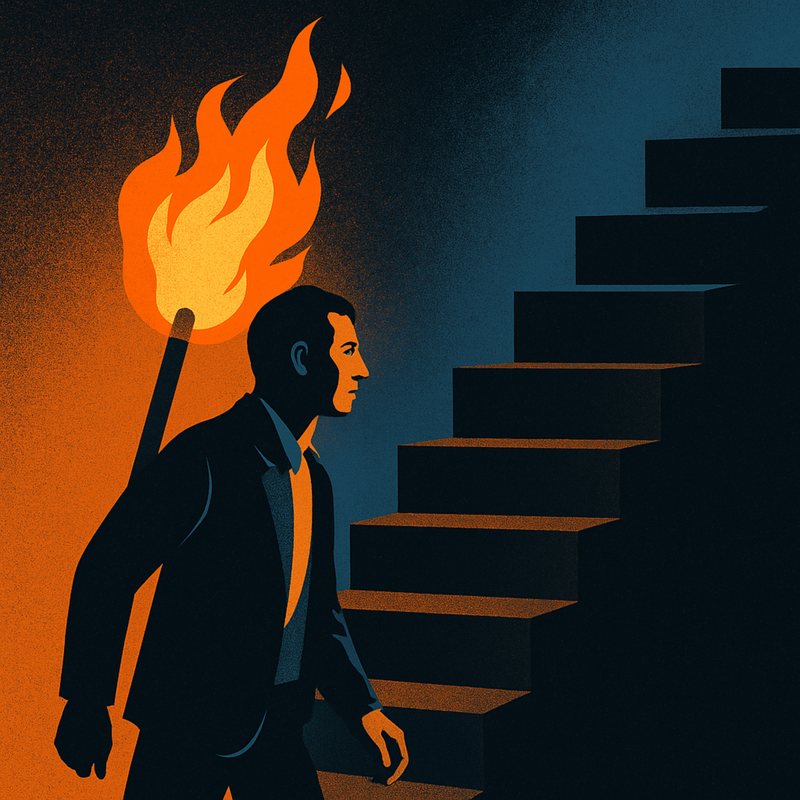
This is the brief on hate speech, free speech, and the latter of escalation. OK, so the source material, it pushes back on treating words as violence. The argument using private power companies, online mobs for instant punishment of speech, well that just kicks off a spiral that gets out of control. The ladder of escalation. Think 1914 Sarajevo. One act sparked a global cascade, right? Same idea.
Now a tweet leads to pylons getting fired, ruining reputations. You just end up with shouting, not real debate. Second, know the huge difference. Legal limits versus private enforcement. U.S. law like the Brandenburg rule has a high bar protecting speech unless it directly incites immediate violence. But platforms, employers, mobs.
They don't follow that they're efficient enforcers, using doxing or getting people fired for instant punishment. Finally, how to stop it? It's about protecting the square. Basically. Use procedure, not immediacy. Institutions need to step back from the quick hit of cancel culture.
Handle disputes formally, legally. Let even ugly arguments happen in public. Choose procedure over purge. Those quick wins often breed much bigger conflicts down the road. Welcome to the debate. Our discussion today, It centers on a really foundational tension.
It comes from source material exploring the relationship between, well, public speech that's seen as offensive and the immediate impulse, often through private means, to punish it. You know, doxing, getting fired, social cancellation. Right. And the central question we're grappling with is, is this immediate non legal punishment of what's often called ugly speech? Does it pose an inherent systemic danger?
Does it ignite some kind of uncontrollable ladder of escalation threatening civil society? Or, alternatively, are these consequences just, well, unnecessary, maybe even manageable part of modern civic accountability? Exactly. And I'll be arguing that these private punitive actions, they dangerously substitute established legal procedure with raw, immediate outrage. And in doing so, they accelerate conflict and create structural vulnerabilities that I think mirror some historic patterns of, frankly, global violence.
OK, and I'll be arguing that while yes, the consequences of being cancelled are severe, often ruinous for the individual, the analogy that links these localized social consequences to catastrophic historical escalations like, say, world wars, well, it's rhetorically powerful, sure, but I think it ultimately overstates the risk. Private consequences, however harsh, seem functionally distinct from the state level mechanisms that truly Dr. structural conflict. So the core of my position is this, advanced polities, they really rely on procedural integrity, but we seem to be increasingly substituting that with what I might call cathartic efficiency. The speed, the often anonymous nature of private punishment where you have platforms, employers, activist publics acting as these hyper efficient enforcers is I think fundamentally corrosive. The source material actually captures this perfectly when it says words are being turned into events, speech is being treated as violence.
And that transition, it creates a dangerous political economy of outrage where the instrumentality of screaming replaces argument. And this is critical because private power just bypasses constitutional limits. It ignores legal doctrines like Brandenburg, which, you know, sets a very high bar. Speech has to incite imminent lawless action before the government can step in. Private power operates at a much lower, much more subjective bar.
So when we empower these raw instruments of private annihilation, we're basically abandoning the necessary goal to protect the square, that public space where even ugly arguments need to be tolerated for rocedural stability. And the result? Well, you generate martyrs and this simmering political resentment. Well, I come at this really from a need for conceptual clarity, especially regarding scale. My thesis is that while professional ruin is absolutely real and devastating, the analogy linking these sort of localized consequences to huge structural global conflicts, it feels strained when the source material uses the assassination of Franz Ferdinand and Sarajevo or the Treaty of Versailles as a blunt illustration of how small axe cascade. I'm sorry but I just don't quite buy that firing someone for a, let's say, shouty tweet genuinely creates the material conditions for global war.
Right. The human impulse to punish offensive speech? OK, the source acknowledges. It's an ugly human instinct. It mentions the dueling code logic, but modern professional consequence like being fired.
It feels like a structural response, maybe, but not necessarily a violent one. In the same vein, it's a response to a perceived moral breach within a specific context, usually employment or a platform's terms of service. And I think to avoid unnecessary structural panic, we should probably focus on these as contained consequences rather than just assuming every single purge generates unstoppable revolutionary radicalism. You know, the way true political purges might have fueled figures like Marx, Mao, or Che. That comparison of scale feels like it misrepresents the actual power dynamic at play today. That WIV right parallel is powerful, I grant you, but it does make me wonder, are we perhaps overstating the case? Let's maybe dig into that analogy itself a bit more. That's a compelling argument you make about the danger of pure outrage.
But have you considered whether that historical example of World War One, which was, you know, a systemic conflict based on entrenched national alliances, complex mobilization schedules, deep material grievances? Is it truly analogous to, say, an employer terminating an employee over a viral video clip? Like that student suggesting we should bring back political assassinations? Doesn't that analogy maybe stretch the concept of escalation a bit too far? We're comparing state actions leading to war with essentially private employment decisions.
OK, I agree that linking a single tweet to the outbreak of WWI, Yeah, that sounds like hyperbole if you focus purely on the actors involved. Of course, firing an HR manager isn't the same as mobilizing the Imperial German Army. But let me offer a slightly different perspective. I think the author is focusing more on the logic of the system involved. The logic.
OK, Yeah. The observation is that small acts of political violence map into larger wars when the system is brittle, or when fear and revenge become the organizing logics. The latter here. It's structural. It's not necessarily physical.
So treating a tweet as a major political event and then circumventing established due process or legal remedy to deal with it, that's substituting what the source calls violence is currency over law is currency. When the most reliable lever for political action becomes immediate performative outrage, will actors learn to weaponize it? Right. And that creates exactly the kind of cycle of repression and new radicalism the source warns about. And furthermore, that Versailles analogy, it warns that these punitive solutions, they aren't really solutions at all.
They might just be a long ceasefire, allowing grievances to fester and maybe resurge later in a much uglier way. But. Who exactly is doing the escalating here? If an employer decides that, say, the reputation risk of employing someone who publicly advocates for assassination is just too high for their business, isn't that a contained economic decision based on mitigating risks to the firm? Why should a private entity be morally or even structurally obligated to withstand that kind of self-inflicted public pressure just to maintain some abstract procedural purity? The state has that obligation, sure, under the 1st Amendment, but does a private business well. I'd argue the obligation isn't purely moral, it's strategic. When the decision to fire someone is driven purely by the fear of a collective digital punishment, a Twitter mob, we're effectively teaching the public that the fastest path to justice, or maybe just vengeance, is to bypass all procedure entirely.
We're training actors, individuals, and groups to substitute established legal mechanisms with raw outrage. And when we do that, I think we increase the brittleness of the entire system. We need institutions, both private and public, to demonstrate some resilience to moral panic, strategically choosing procedure over the, let's face it, cheap governance of catharsis. OK. And this leads right into the core danger, which is how we define consequence.
The source argues that the private sector uses efficiency. You do not persuade, you cancel. You do not persuade, you void livelihoods. And it suggests this constitutes a kind of structural violence, or even uses the term private lynchings. The argument goes.
If society generally agrees to treat words as violence, then the inevitable response is that others will answer with violence too, whether literal or structural, and that just perpetuates the spiral. We have to resist this modern temptation to think that a quick purge of the offending person actually buys any lasting peace. An essay just come. At it from a different angle, while termination is certainly ruinous, devastating even, I think we have to maintain a clear, definitional barrier between professional ruin and literal violence. To call job loss structural violence, while maybe rhetorically powerful, feels analytically unhelpful. It's its own kind of rhetorical escalation, isn't it? If an individual's public speech represents what their community or workplace sees as an intolerable assault on the project of a life, or maybe just a core moral value, consequences are probably going to follow, often outside a courtroom. The right to free speech, fundamentally, is freedom from stick interference, not freedom from social or professional consequence altogether.
If a community believes certain speech causes real harm, maybe economic harm to the employer or emotional harm to colleagues, why should the impulse to contain that harm automatically be considered an escalator towards World War One? Is the threat of losing your job not in some cases, a legitimate contains societal tool against, say, profound intolerance or recklessness. But. The key distinction, surely, is due process. When you lose your livelihood because of a court judgment, ideally there's procedure, there's evidence, there's appeal, there's transparency. When you're fired because of a Twitter mob, well, there's usually none of that.
And that's precisely why the source uses strong terms like structural violence or private lynchings. It's the removal of fundamental procedural rights outside any established legal framework. It's often unappealable, sometimes anonymous vengeance. If we allow private power to execute these kinds of consequences without any real procedure, we're essentially endorsing a system of justice based on efficiency or maybe popularity rather than fairness. And that instability, that's the true structural danger, I think.
But the. Courts don't, and frankly shouldn't, protect you from every social or professional consequence if you choose to engage in public rhetoric that's fundamentally hostile to your professional environment or community standards. Those consequences seem almost inherent to the social contract, don't they? Not necessarily proof of systemic structural violence about the tip over. We're talking about the mechanisms of social accountability, however messy they are. The source itself cites the dueling code as a historical record of what humans do when quote honor outranks law. Maybe private consequence today is simply the contemporary predictable manifestation of that same instinct. It's how social boundaries and honor are managed, perhaps clumsily, in the 21st century.
It is an automatic proof that society is fracturing towards war. OK. Let's shift then towards the proposed solution, because this is where the theory has to meet reality, right? The source prescribes action like protect the square and train employers and platforms to resist performative fury. Now that sounds admirable, certainly, but is it actually realistic? The author himself observes that rapid, large movements like mass migrations, for instance, predictably provoke a defense that will harden law and treat whole populations as threats. Right.
That's a key point, so. If predictable politics leads to this kind of hardening response, why would predictable social fury against genuinely ugly speech be contained? Just by asking institutions to sort of passively absorb a fence, it feels like we're asking corporations and universities to defy some pretty fundamental predictable human and political dynamics. That's. An interesting point, though I might frame it a bit differently. We aren't arguing for pure passivity, I don't think. We're arguing for procedure as a long term strategy, one that requires, as the source says, a horizon longer than immediate feeling.
The goal isn't purely sentimental, like just tolerating everything. It's strategic. If we actively invest in legal remedies for speech that does cross the line into credible threats or defamation, we actually strengthen law as currency. The fact that it's difficult to protect the square doesn't negate the necessity of trying to protect it. That short term cathartic purge, the quick firing to appease the mob. It creates resentments and cynicism that are strategically disastrous in the long run.
Just as the source warns, short victories of moral cleansing can become decades of blood. Procedural governance, even if imperfect, seems like the only viable long term defense against a perpetual cycle of outrage and vengeance. But. Practically speaking, how does an employer strategically choose procedure over efficiency when they're facing potentially immediate financial ruin from a boycott or advertisers pulling out? What's the actual practical mechanism here?
Can you give us an example of how a corporation which, let's be honest, generally exists to maximize profit, effectively absorbs that level of offense and protects the square when faced with mass performative fury without suffering extreme economic damage? Well, the. Mechanism I think lies in institutional resistance and real clarity in internal policy. Before a crisis hits, institutions have to strategically calculate that the long term cost of constantly catering to public outrage, which let's face it, constantly shifts its targets and standards, is ultimately higher than the short term cost of standing firm on due process and clear, predefined, ideally non political employment standards. This needs proactive commitment, For example, explicitly stating ahead of time that employees will only face termination for speech that violates specific, predefined internal behavioral codes, or perhaps speech that rises to the legal standard of incitement or harassment, not merely for offending a temporary social media consensus.
That kind of clarity actually raises the cost and lowers the effectiveness of external outrage campaigns, making them less efficient and hopefully less weaponizable over time. That. Is certainly an admirable ambition, but it does require a level of institutional courage, doesn't it, which feels increasingly scarce in our current environment when the market seems to reward rapid responsiveness to social pressure. Demanding that kind of institutional rigidity? Well, it sounds like demanding that entities willingly suffer significant financial harm for a somewhat abstract societal good procedural stability that might seem very far removed from their immediate bottom line and. That right there is precisely the definition of the problem we're discussing.
When private power consistently chooses short term efficiency or appeasement over long term stability and procedure, the entire structure does become more brittle, and that potentially sets the stage for the kind of dangerous escalation the source material cautions against. So. To sum up my position, it remains rooted in the structural risk we run when we bypass legal procedure for that immediate, often satisfying sense of moral satisfaction. The impulse to cancel might provide cheap, emotionally resonant governance in the moment, but it weaponizes outrage, it creates martyrs, and it risks dissolving a civilized polity into systems governed by popularity contests and instantaneous private lynchings. The long term strategic focus I maintain has to be on due process, toleration within legal bounds and strengthening law as currency. Indeed, my position in summary, is that the argument linking localized job loss and social ostracism directly to catastrophic historical escalation like the world shaking events starting in 1914 is fundamentally A rhetorical overstatement, however well-intentioned. While we absolutely must fight for procedural fairness within all institutions, societal consequences for speech that falls outside legal protection?
Well, they're likely a natural, perhaps unavoidable, and often contain function of a functioning, if admittedly imperfect, polity. We need to address the real consequences of offensive speech without necessarily falling into a trap of structural panic about impending societal collapse. Indeed, the material certainly provides essential insights into this very complex trade off between, on the one hand, the immediate desire for moral purity or accountability and, on the other, the crucial maintenance of procedural stability and the. Central tension definitely remains trying to determine the true magnitude of that claimed ladder of escalation within our contemporary civic culture, and deciding whether we're dealing primarily with contained social pain and adjustment or genuinely witnessing the early stages of systemic collapse. A question worth pondering.
Welcome back to the Deep Dive. Today we're really getting into something complex. We're unpacking some sources looking at this, this tension, you know, free speech versus this growing idea that words themselves are violence. Right. And that paradox is exactly what we're focusing on. The main source we're diving into uses this concept called the ladder of escalation.
The ladder. Of escalation, yeah. It basically maps how these small things maybe an online comment a bit of conflict can just the low. Up. They trigger these huge irreversible consequences politically, socially, everything so like. Small spark, big fire.
Exactly. And the source warns that today's heat of the moment reaction can lock in decades of, well, really negative outcomes. Nobody intended and the. Author got into this because of something happening right now, but then connects it way back. Historically, philosophically, that's what's. Really interesting the pivot they make, and they start by talking about their own background, which I found kind of fascinating.
Oh yeah. How so? Well. The author mentions not too long ago they were deep in these super technical, almost sterile online debates. Things like metric, attribution metric. Attribution.
OK, so like figuring out where website clicks come from, that kind of thing. Exactly. Or like anger tech strategy for SEO. You know, really niche technical stuff, low stakes intellectual sparring mostly, right? Purely data numbers, no real moral weight behind arguing if a click came from source A or source B. Precisely contained procedural.
It affects maybe ad revenue, not someone's life, not their reputation. But now, the author says they've completely shifted. Shifted. How they? Describe themselves now, maybe a bit tongue in cheek, as someone defending ugly speech.
And with this they're quoting the gospels, John and Luke in online arguments. Wow. OK, that's that's a huge leap from SEO tactics to quoting scripture to defend unpleasant speech it. Is it tells you they see the current situation not just as another argument to win, but as something foundational breaking down. They feel they have to reach for these deeper, older principles so.
The fight isn't about data points anymore, it's about whether the whole structure of public argument can even survive this pressure cooker environment. Yeah. When the ability to say something popular, maybe even offensive, feels like it's being crushed not by law but by private power, by market forces, then the technical stuff just falls away. You look for bedrock legal principles, philosophy, or like here, even ancient wisdom. It's about defending the process, the procedure over just feeling good right now.
OK, so. That sense of crisis brings us straight to the event that kicked this whole reflection off. And it started with something real world, right? A tragedy? Yes. A very specific tragic incident.
The author talks about a high profile killing, something that happened publicly and their words are stark. It lit the feeds like an accelerant. Just instant ignition online. And then then right in the middle of all that tension, this clip goes viral. It's a student saying something just incredibly inflammatory and frankly foolish. Like we should bring back political assassinations. Terrible timing, terrible statement. The.
Worst, It was like throwing gasoline on the fire and the reaction? Instantaneous. Overwhelming. How? So the Internet. Basically mobilized.
A hunt began. The student was doxed. Name, location, everything out there. Then the institutions panicked. Firings, forced resignations, public denunciations pouring in from everywhere like a.
Digital mob basically. Yeah, and the author calls the appetite for retribution contagious. It wasn't about law or due process. It was just this fast destructive moral cascade people felt they had to join in condemning. Almost like self preservation and this whole.
Episode is used to illustrate what the source calls the the perverse moral physics of our time. What does that mean exactly? It's the. Crux of the issue, words are being turned into events. Speech is being treated as violence.
Yeah, if you accept that premise that's saying something offensive is violence, then the response has to be immediate, severe, like defending against a physical attack, so. The reaction isn't based on actual harm, but on the level of offense. Yeah, moral outrage. Precisely. And the danger, the source warns, is that this kind of escalation has no natural ceiling. It just keeps going up if there's. No ceiling.
Then every misstep, every dumb comment, gets treated like an existential threat requiring, well, existential consequences. Exactly. And we see this playing out constantly in the digital world. The source calls it the civic ladder in miniature, and it's brutally efficient. OK. Breakdown the digital pathway.
How does it work it? Starts small, often performatively. A tweet, right? Maybe something edgy or poorly thought out and that. Tweet becomes a pile. On massive self generating outrage, hundreds, thousands of people dog pilots it jumps.
Offline. Immediately that digital momentum turns into real world consequences. Suddenly it's about someones job. It becomes a termination or being professionally blacklisted. It leads.
To. Reputational punishment like a digital scarlet letter, the source implies it follows you, makes you unlivable, unemployable in your field, a kind of social death and. This whole process fuels something the author calls the political economy of outrage. Can you unpack that? It sounds important.
It's. Critical. It's not just about feelings. It's instrumental. Outrage becomes a tool, a currency.
The structure rewards screaming over arguing. How does? Outrage become currency. How does it pay? Well, for those leading the charge, outrage drives clicks, engagement, visibility, all monetizable. For those joining in, participating in the purge offers a kind of moral validation. It signals their purity, keeps them safe. So.
You don't win by being right or persuasive, no. You win by being the loudest, the most effective at mobilizing punishment. You win by showing you can destroy someone's livelihood faster than the other side. The whole incentive structure points towards annihilation, not discussion. Yeah.
Why spend time crafting A nuanced argument when you can just mobilize outrage, get someone fired, and score moral points and maybe even clicks in the process? That makes the latter really hard to step off of. Right. And to really hammer home how dangerous the spiral is, the author does something bold. They yank us out of the Twitter feeds and drop us right into Sarajevo 1914. Wow.
OK, that's a huge jump, connecting a student's dumb comment to the start of World War One. Why that specific historical moment? Because. It illustrates the danger of systemic brittleness perfectly. We're talking about the assassination of Archduke Franz Ferdinand.
Gavrilo Princip fires a pistol. A single. Event A local. Act. Exactly. A local act in a relatively small city. But because the European political system at the time was this tangle of alliances, obligations and imperial pride, that single shot triggered a global cascade. Mobilizations, declarations of war, The whole House of Cards came down.
It wasn't. The ACT itself, but the fragile system it hit, the context was everything, precisely. The assassination was the spark, but the system was the dry Tinder, and the parallel the author draws is this. Our current system, fueled by this political economy of outrage and the instant enforcement power of platforms, is also brittle. A small digital offense can trigger systemic consequences just like that shot did, and the. Source doesn't stop at 1914.
It argues the way WWI ended actually set up WWI. It talks about the Treaty of Versailles in 1919. Yeah, the. Pause that wasn't Versailles is presented as this moment where the system completely failed to absorb the conflict in a healthy way. The treaty was punitive, humiliating, basically built on revenge, not reconciliation. So it.
Didn't put the fire out, it just banked the coals. That's. A good way to put it, it functioned less like a real settlement and more like a long ceasefire. It gave everyone time to nurse their grievances, especially Germany feeling humiliated and crushed by reparations. It created the perfect conditions for radicalism and eventually the monstrous reconstitution of violence that was WWII.
That's. Sobering. The lesson being, if you try to completely annihilate your opponent morally or financially, whether it's a nation in 1919 or an individual online today, you're just. Guaranteeing they'll be back angrier, maybe more organized, because you've left them with nothing to lose and a powerful story of victimhood. So the.
Historical pattern is clear. Small acts ignite big conflicts when the system is fragile, and especially when fear and revenge take over as the main drivers instead of, say, law or negotiation. Exactly. And bringing it back to today, if our public square is designed to react to every offense with maximum destructive force, well, we shouldn't be surprised when small online spats keep blowing up into major crises, OK? So this historical perspective highlights a really key distinction that seems to be getting blurred today, the difference between how the law handles speech versus how, well, how the digital mom handles it precisely. The US legal system, particularly the 1st Amendment, has these established bright lines. Courts have spent decades figuring out where protected speech ends and say incitement begins. The big one here is the Brandenburg Doctrine, right? Brandenburg, can you remind us what that requires? It's a high bar, isn't it?
It's a. Very high bar. The government can only punish speech if it's intended to incite imminent lawless action and is likely to actually do so. Both intent and immediacy are crucial, and the. Whole point of that high bar is to.
Stop the government or temporary public outrage from just silencing unpopular views. It's designed, as the source puts it, to prevent majorities from burning dissenters at the stake. It forces a pause, demands evidence, prioritizes procedure over passion. But the. Latter of escalation we're seeing online the firings, the doxing, that's not the government doing it and. That is the absolute key difference. This is private power, tech platforms, employers, activist groups, angry online crowds, and the First Amendment doesn't restrict them so they.
Become the enforcers, yes. And they are incredibly efficient enforcers, as the source calls them. Their justice is fast, cheap and often devastating, carrying the penalty of economic or social ruin. So the. Logic is flipped.
The law is slow and careful by design, but private punishment is fast and procedurally empty. Pretty. Much the market logic or the mob logic is if you can make someone unemployable for saying the wrong thing, why wouldn't you? It signals your virtue, damages your opponent, maybe gets you clicks. There's an incentive for efficiency which bypasses all the safeguards built into the legal system. That's.
Scary. It makes your boss or the platform you use the immediate judge, jury and executioner for speech which. Brings us to the author's defense of what they call civilization as procedure. The idea is that the whole point of civilization of law is keeping impulses from transmogrifying into axes keeping. Impulses from becoming axes.
I like that it's about control, deliberation. Exactly. It's the difference between a town that argues and a town that shoots. 1 uses law as its currency. The other uses violence or the threat of professional or social violence.
When that's the currency, everyone's effectively armed and ready for a purge and. That's why the author champions the messy, imperfect forums, courts, newspapers, even elections over the quick, cathartic efficiencies of cancel culture. The messiness is the point. It's a. Feature not a bug.
These messy processes force us to slow down, deal with complexity, use argument, follow rules. They demand we defend our views, not just destroy our opponents. The goal isn't to love offensive speech, but to protect the mechanism that allows us to argue about it. Because if you ditch procedure, all that's left is the axe, OK? So defending procedure leads the author to take a stance that, well, it seems pretty controversial.
They defend a specific public conservative figure, someone even, they admit is seen by many as coarse, opportunistic, maybe even a paid agitator. Why go there? Yeah. It's definitely a provocative move, but the author seems less interested in the figure themselves and more in what their rhetoric did to the public conversation. What function did it serve and what? Was that function, according to the source the. Argument is that this figures confrontational style. Love it or hate it forced people to grapple with fundamental questions they usually avoid in politics. Questions about sin, personal responsibility, public morality, things we often keep private.
And this. Connects back to quoting the gospels. Exactly. The source highlights that when this figure used phrases like go and sin no more or talked about accountability and quasi religious terms, it landed like a bomb. It was anathema to the current civic culture.
Why would quoting scripture about morality cause such an explosion in a political context? What's the Outer's take on that? It's a. Really insightful point. The author argues that in our current climate, the concept of sin or even just moral error has been fundamentally rebranded. It's not seen as a universal human failing anymore, but as an identity taunt an.
Identity taunt, meaning if you criticize my actions or beliefs, you're attacking who I am precisely. So being told you missed the mark, even metaphorically, isn't her as a comment on behavior. It's heard as an assault on your entire being, your life's work, your identity. And if the attack feels existential, the response becomes existential. Immediate total annihilation is justified that. Really captures the the intensity of these online conflicts.
It's not just disagreement, it feels like Total War and the. Source acknowledges other complexities too, where moral feelings clash with political realities like the example of migration right the. Tension between wanting to support migrants feeling that human connection, but also so recognizing that large, sudden influxes do predictably trigger political defensiveness. Yeah. The author calls that backlash ugly and cruel, but also predictable politics. It's acknowledging that deep moral feelings don't just erase political dynamics.
A nation state or a community will likely react defensively to perceived rapid change, regardless of the morality driving the change itself. And. That predictable reaction often uses outrage as its weapon, right. Shaming becomes a tool, a key. Tool naming, shaming, demanding removal.
It's presented as a cheap, fast governance technique. Why bother with slow persuasion or messy legislation when you can just cancel someone, void their livelihood? But the. Author warns this backfires. Completely. It might feel like a win in the moment, but all it does is create martyrs and resentments.
You silence one voice, but you potentially energize their entire movement by giving them a potent grievance narrative which. Leads to the critique of what the source calls rupture logic. What's that about rupture? Logic is basically the revolutionary idea. You see it in Marx, Mao, Che, maybe even some modern acceleration is that the only way to fix things is to violently break the existing system.
Smash it all and something better will magically emerge from the rubble. And. History suggests history. Suggests that's not how it works. Usually it just sets off a cycle. Repression breeds resentment.
Resentment fuels new radicalism, which leads to more repression. You don't get a clean slate, you get a feedback loop of escalating conflict. The politics of purging, whether literal or figurative, just guarantees the fight comes back, probably worse than before. So all this history, all this analysis of the current moment, it brings us back to this very primal human thing, doesn't it? Settling scores.
The author calls it the modern dueling code. Yeah, it's. Like the old frontier logic, someone insults your honor, you challenge them to a duel. Immediate, often lethal response, bypassing any legal process and the. Argument is we're still doing that, just for different weapons.
Exactly. We're not using pistols at dawn, but we shoot with doxing, with algorithms, with professional ruin. The principle is the same. If words are treated structurally as violence, meaning they trigger consequences equivalent to physical harm, then people will inevitably respond with proportionate force, structural violence, maybe even literal violence. Eventually, the spiral continues, and there's. A danger in thinking a temporary quiet means peace, right? Like after a successful cancellation. Huge.
Danger The awful points. Back to Versailles again. The 1920s seemed peaceful, but it was just a pause. It allowed the resentful and the defeated to regroup, rearm. Modern ceasefires and conflicts can work the same way.
Less about peace, more about a tactical pause to reload. So if. Your main strategy is just punish and exclude your opponents you have. To expect the long returns of that strategy, you're basically ensuring the conflict smoulders and eventually reignites because the underlying issues and resentments haven't been addressed, only suppressed. Which?
Brings us to the author's proposed counter strategy. It involves something they call a paradoxically stern mercy. What does that mean? It sounds contradictory it. Does it means distinguishing strategic thinking from pure sentimentalism? The author specifically rejects the immediate emotional appeal the don't shoot I have children kind of argument as a basis for policy or structural decisions.
Why? Reject that. Isn't compassion important, especially given the real human cost here? Compassion. Is vital, but the author argues strategy needs a horizon longer than immediate feeling. Emotional appeals, while powerful, don't fix the systemic problems driving the escalation.
We can't run society based on who makes the most heart wrenching plea in the moment. We need robust structures that can handle conflict without resorting to immediate destruction. Stern mercy means preserving the system of argument even when the arguments within it are ugly, because the alternative is worse. OK. So if sentimentalism isn't the answer, and escalation is the problem with the actual practical strategy, how do we protect the system the.
Author offers what they call an ugly, simple answer. Protect the square. It boils down to five concrete steps aimed at institutions and culture. All right. Let's walk through them #1 sounds tricky. Let the ugly arguments happen in public, right? Counterintuitive, but the logic is if you drive ugly arguments underground, they don't disappear, they just fester and radicalize and echo chambers away from any challenge or scrutiny.
The public square, even when it's unpleasant, acts like a release valve and allows for open debate, however flawed. Trying to sanitize it completely just empowers the extremists who thrive in the shadows. OK. #2 adjudicate through procedure, not purge this. Means reinvesting in the slow, messy, imperfect systems we have Courts, disciplinary committees, arbitration instead of defaulting to the instant gratification of online cancellation procedures.
Frustrating, but it's the barrier between impulse and acts number. Three, use legal remedies only for credible threats adhering to that high Brandenburg standard. Yeah. Basically, save the power of the law for genuine imminent danger. Stop labeling every offensive statement a threat. By restoring that distinction, we lower the temperature and reserve serious consequences for serious actions. Number. 4 feels really crucial.
Train employers and platforms to resist performative fury. This. Is huge right now, employers and platforms act as the rapid response enforcement arm of the outrage machine, often because it's easier or safer for their brand in the short term, the author argues they need to be encouraged, maybe through policy, maybe through public pressure, maybe even market forces to step back to resist the mob demanding immediate firing for every online transgression if they start being the executioners, the whole economy of outrage loses a lot of its power and the. Last one number 5 Encourage a civic grammar that can absorb offense without turning it into capital. This. Is the long game the cultural shift? It's about trying to build a public square where we don't immediately reward outrage, where offense isn't instantly monetized or weaponized.
A culture that can maybe tolerate disagreement or even insult without demanding immediate institutional retribution. Where we can argue about the substance, not just react to the tone. So. At the end of the day, the choice is stark. The messy, imperfect public square with all its arguments, or the torches and pitchforks of private annihilation that's. Exactly it.
And once you like those torches, finding your way back down that ladder of escalation is incredibly hard. The choice between argument, however flawed, and destruction is really the core decision it. Really forces you to think about what's more important, that immediate hit of moral satisfaction from purging someone, or the long term health and stability of the place where we have to argue and. The final warning from the source is chillingly clear. Those short term victories, those moments of feeling morally pure. By casting someone out, they can easily pave the way for decades of blood, figuratively or literally. The latter is steep.
Going down is much harder than going up. So the provocative thought we're left with from this deep dive, is this maybe the reaction, the rush to purge fueled by this digital ladder is actually more dangerous in the long run than the original offense itself? If destruction is the main consequence for speaking out of line, what kind of cautious, fearful speech will be left, and what kind of fragile society can actually survive under that constant pressure? It's something to definitely think about next time you're scrolling OK? So this piece, Hate Speech, Free Speech and the Ladder of Escalation, looks at how outrage escalates, you know, driven by private power and cancel culture, turning speech into real institutional harm, and argues for sticking to procedure over moral purges.
It's a really. Potent argument, high stakes like you said. Definitely. Let's jump straight into the first critique focusing on structure and coherence, right? So while the essay really effectively details the author's personal theological evolution and how that influences their political view, the structural connection between those two things, it could be stronger, much more explicit I. Completely.
Agree. You've got these two narrative streams running side by side, and they're both incredibly powerful on their own. Exactly. On one side, it's deeply personal, isn't it? Listening to gospel readings on hollow Jeff Cavan's reflections, Christ saying go and sin no more.
Very internal. Very reflective and then bam, you pivot hard right? Straight into massive geopolitical stuff. Sarajevo 1914 First Amendment law marks Mao. It's quite the shift and.
That's the weakness, really. The transition between that internal moral grammar, that deep conviction, and the external structural analysis feels, well, feels implied. Yeah, it's not really spelled out. And the risk there is a reader might just think the theological part is, you know, nice background color, right? Rather than the actual engine driving the whole argument for procedure. Yeah, exactly.
It could seem ornamental if we're not careful. So the suggestion is to make that connection really explicit. Use that term. The author already uses, moral grammar and make it the bridge. Show how the personal faith demands this kind of political patience and strategy.
OK. So how does that look in practice? Like concrete examples. Well, you could directly connect the idea of leaving sin behind, you know, from John 811 to the political argument. Why do we need institutions that allow for, say, repentance or reform, or at least legal consequence?
I see and then contrast that directly with canceling. Precisely you set up the contrast Divine Mercy allows for change go and sin no more versus this modern sort of irreversible governance technique of the online pylon, which offers 0 path back that's. Strong. Yeah. And you could even frame that whole art of keeping impulses from turning into axes.
Feng it's. Like a secular version of the discipline, learn through liturgy. Exactly the steadying influence of ritual and forms the steadying influence of procedure. It connects the internal discipline to the external structure. OK.
So when the author talks about needing to be strategic rather than just, you know, reacting, you tie. That strategy directly back to the moral clarity that comes from the faith so. You might say something like, look, this commitment to strategy isn't about being heartless. It stems directly from this rigorous moral grammar. Understanding how hard it is to sin no more makes me reject systems with no room for any kind of fix. Right.
That grounds the political choice and personal principle. Makes the whole thing feel much more integrated. SOLID, OK. That feels like a really productive Ave. So if we've tightened up the internal logic, let's look at how the essay engages the reader right from the start. The opening antidote.
Yes, the student clip so. The essay is really powerful, opening that feverish occasion of a killing, the viral clip of the student talking about political assassinations. It needs to be woven throughout the argument, not just dropped at the beginning. It needs to ground the whole ladder of escalation idea. Totally agree that opening is explosive. It gives the reason for the essay. Right?
The clip sparks the Hunt boxing institutional panic firings. It's the modern ladder happening right there on the screen. But. Then it kind of vanishes. Yeah, the essay moves pretty quickly to historical parallels like Sarajevo, which are important, obviously, but.
But you lose that immediate, visceral connection to now the reader knows Sarajevo was bad, but they're living through the kind of thing that happened to that student. It feels like a missed opportunity. Right, it lets the argument get a bit abstract, maybe too quickly. So the suggestion here is structural. Treat that student clip like a recurring case study, a modern example.
Use it to map out the rungs of the ladder as the essay progresses. Exactly. Show the sequence. The ugly speech becomes the pylon. The pylon leads to the firing, the professional ruin. Illustrate the private power mechanism step by step using that incident.
OK, I like that it keeps the abstract theory grounded in something concrete and current. So for instance, when the essay gets into the legal stuff, First Amendment, the Brandenburg Doctrine on incitement, that's. A perfect spot to bring the student back in, yeah. You contrast the legal protections for speech with what actually happened. Like look, the 1st Amendment protects speech up to a point legally, but private power isn't bound by that in the.
Student's case, the courts weren't involved, but platforms, employers, angry online groups, they acted and that's the gap, the danger zone we need to look at where algorithms and doxing effectively become the enforcers. Something like that. Exactly. Like that, and maybe bring it up again later too, when the SSA discusses that frontier logic. You know where law ends.
The Wild West begins. Use. The doxing and firing to show the modern version of that right? The author says we're not beyond that Frontier logic in 2025 make it hit home so. Frame it like we haven't escaped the frontier.
The tools look different now. It's doxing algorithms, professional destruction instead of, you know, actual guns. But the principles the same. That student faced the frontiers justice swift and ruinous, not a court of law. Yeah. Using that one modern story consistently anchors the big historical points.
Sarajevo, Versailles in something undeniably real today shows the latter in action. Ugly speech, then the hunt, then the cancellation makes. The whole thing flow better and keeps the reader really engaged. OK, that's two big structural points. Let's talk tone, specifically around mercy and sentimentalism. This feels crucial for keeping the reader on board. Absolutely.
It's a tricky area, so. The essay's dismissal of sentimentalism its core to the argument, yes, but the way it's presented could risk alienating readers before they really get the difference between being heartless and being strategic. Yeah, this is that rhetorical tightrope walk. The author knows it. Even amidst the conclusions might sound monstrous, phrases like being paradoxically stern about mercy or observing sentimentalism is not policy, or dismissing the plea Don't shoot I have children.
They're deliberately provocative. And that shock value, if it's not framed carefully right away, could make readers just tune out. They might just label the author cold or callous. And. Completely miss the larger strategic point about long term stability, which is, you know, the whole purpose of the piece. Exactly.
We need to make sure the reader understands the tactical reason for the sternness before they hit the really stark examples. So the suggestion is really about sequencing and framing front load. The explanation introduce the idea that strategy needs a longer view than immediate emotion before you get to the examples that challenge sense of mentality. OK. And maybe reframe the critique itself slightly, not as a dismissal of the person making the plea, but it's an observation about the police limits as a tool for system wide safety, right? It's not saying the feeling is wrong, it's saying the feeling alone isn't a political structure. So.
Practically speaking, it might just be about moving a key sentence. The draft already has that perfect clarification. But there is a difference between being heartless and being strategic. Strategy requires a horizon longer than immediate feeling that line. Needs to come.
Earlier, right before the tough examples. Position it so it acts as the setup, the justification for the stern approach that follows, so the reader gets the why first makes. Sense it primes the reader to understand the author's intent. They hear strategic firmness, not just harshness it. May be soften the language around the observation itself without losing the core point.
Of course, instead of, I nearingly observe that sentimentalism is not policy, which can sound a bit dismissive shift. The focus to the limitation, yeah. Maybe something like while that plea don't shoot, I have children is incredibly powerful rhetorically, it's inadequacy as a structural defense for everyone means we have to look beyond it for sustainable policy that. Lands differently. It's still firm on the policy point, but it acknowledges the human element while focusing on the systemic need.
It feels less like a rejection of empathy and more like a call for broader solutions, right? The goal is to let the author score message drive the tone. Strategy is needed to prevent long term bloodshed. Rather than letting the reader get hung up on the potentially harsh sounding language out of context, keep them aligned with the strategic purpose. Exactly. It's.
About ensuring the argument lands with its full intended force, hitting that balance between unflinching and analysis, and keeping the reader engaged enough to hear it. Excellent. OK. I think that covers the main points for improvement, coherence, engagement and tone feels. Comprehensive SO. Just to quickly recap the three main actionable suggestions for the listener first really weave that personal theological journey, the moral grammar, into the political argument. Explicitly make it the clear foundation for the strategic stance.
Show don't just imply the connection second. Take that powerful opening anecdote about the student and the viral clip and use it as a recurring case study throughout. Map it onto the ladder of escalation to make the abstract concrete and keep it grounded in the present. Bring it back. Yeah, don't let it just be an opening hook and. 3rd carefully calibrate the rhetoric around mercy and sentimentalism. Make sure you establish that crucial difference between being strategic and being heartless early on to keep the audience with you frame.
The sternness strategically right from the outset. Exactly. This really is a strong piece of thinking though, that central connection, Sarajevo in Versailles to today's online escalation dynamics. That's a genuinely insightful core idea. It identifies a really important pattern.
Absolutely. The historical depth is there, so these. Suggestions are mostly about, you know, refining the architecture around that core insight, making sure the structure is as solid and compelling as the idea itself. Well. Put we. Definitely encourage you to work with these suggestions, it's powerful stuff.
And please feel free to send the revised version back for another look when you're ready, we'd be very interested to see it. Welcome. To the deep dive. Today we're opening the source material on, well, a really volatile area of model life. We're talking about that fraught relationship between free expression, offensive speech, and how things seem to escalate politically.
If you've been watching the news or just scrolling online and felt like every disagreement just blows up into this existential threat, well, we're here to explore why that feeling might actually be structurally justified. Yeah, exactly our mission today really is to follow the argument this essay we looked at it's about understanding why treating, you know, words as violence, why turning speech into something that demands immediate action crease this really dangerous feedback loop. We need to see why history warns US against prioritizing that quick, satisfying moral purge over patient may be slower procedure and what's really. Interesting about the writer. Here is his own start turning point. It's not like a standard political take. He mentions this personal paradox. He used to be a contrarian, like stirring the pot, you know? And then he finds himself arguing for structurally defending even really ugly speech from being shut down by private power, right?
And what prompted that shift wasn't politics, apparently, but a change in his moral grammar, deeper reflection. He talks about being influenced by daily liturgical readings, the church calendars, discipline. It wasn't about switching political teams. It was structural. It led him to see mercy not just as a feeling, but as like a necessary component for any system that's meant to last. That's.
A powerful idea. Mercy as a structural defense, it suggests moving away from just reacting in the moment towards a policy built for the long haul. Exactly. That quick purge feels good right now, but a policy of let's call it procedural mercy plans for how you eventually bring dissenters or offenders back into the fold somehow. It's kind of the old story about procedure, isn't it? It offers a structural way to handle conflict, and sheer outrage just can't, OK.
So let's unpack the specific thing that sparked this essay. The trigger was small but intense. It happened after a high profile killing, which obviously caused huge waves online. And then this clip went viral. A student saying we should bring back political assassinations.
Yeah. That one moment really lit the fuse for the kind of modern reaction we see so often. The response was immediate, overwhelming the hunt online, the doxing institutions panicking, people getting fired, public shaming. And the author's key point here is sharp words are instantly becoming events. Speech gets treated as a violence demanding immediate punishment and we. See this pattern, this like ladder of escalation everywhere now it feels like it's speeding up to starts with a tweet, maybe an angry one.
That tweet sparks a massive pile on the pile on leads pretty quickly sometimes to someone losing their job and then that leads to reputational damage that can make someone basically radioactive. That's this political economy of outrage he talks about and. The outrage is the capital in that economy. It's efficient, gets clicks, attention, makes institutions nervous. I mean, why go through the hard work of arguing, of trying to persuade someone when you could just scream, start a pile on and get them fired? The immediate payoff for being righteously angry is just so much bigger than the reward for, you know, careful debate. Which?
Brings us to a really critical distinction in the source material as something core to U.S. law. Legally, the system tries to draw clear lines around speech. The Brandenburg Doctrine, right? Part of the 1st Amendment framework. It separates protected speech from actual incitement, correct. The government constitutionally can't punish you just for having a terrible idea or saying something offensive. The standard for unpredicted speech, that Brandenburg test, it's incredibly high.
The speech has to be aimed at causing imminent lawless action and it has to be likely to actually 'cause it so a real immediate call to illegal action, not just, you know, general angry talk. OK. But let me push back a bit here. If you're running a university, say, and a student calls for political assassinations, isn't getting rid of them quickly just basic institutional self preservation? Why should the university have to tolerate that, even if the government can't prosecute that's. A fair question.
And it's right to the heart of the power difference. The 1st Amendment restricts the government. It forces slow, sometimes painful procedure, due process, a really high bar for stepping in. And that slowness? It's actually a feature, not a bug. It's designed to protect dissent. But.
Private power? You mean platforms, employers, the angry public? They don't have those same constraints. Exactly. Private power could be an efficient enforcer.
If I'm a Latform or an employer, I don't need to meet the Brandenburg standard or offer full due process. I can shut down speech just because it's offensive or embarrassing or bad for the brand image. That lack of a procedural barrier is what allows modern cancellations to happen so fast and be so severe. The government's hands are tied. The mob working through private institutions isn't. And when?
You take away those procedural guardrails when the system gets brittle and runs on immediate emotional reaction, that's when things can really spiral. Which leads us to history for a pretty stark illustration of how that quick emotional response can cascade into catastrophe. Yeah, we're. Talking about that classic historical Hinge point. Sarajevo, June 28th, 1914. Guerrillo Princip assassinates Archduke Franz Ferdinand A local radical act of violence seems containable, right? But the wider system was fragile, riddled with fear, complex alliances and demands for immediate punishment. That one shot triggered a chain reaction, mobilizations, and ultimately a World War that killed millions. It's the.
Ultimate cascade failure. But the source material argues the lesson isn't just the assassination itself. It's what came after the Treaty of Versailles in 1919. It was punitive, brittle, humiliating, designed for revenge, not really for reconciliation or stability. And the. Psychological parallel is fascinating. Just like today's online mob might seek a quick moral cleansing by destroying someone's reputation, the victorious powers in 1919 wanted a kind of total moral purge of the losers.
And that desire for immediate punitive justice meant Versailles wasn't really a settlement. The author calls it more like a long ceasefire, one that allowed, in his words, a monstrous reconstitution of violence. Is that basically set the stage for World War 2? Wow. The pattern is terrifyingly clear then, both internationally and, you know, civically. Small acts of political violence, or maybe today's extreme verbal provocations, they can lead to huge breakdowns if the system is fragile, or if fear and revenge become the main driving forces, which is.
Exactly why the author makes this strong moral case for defending what he calls the ugly square. His argument for tolerating even really Uggle speech isn't about liking the speech itself, it's about recognizing that civilization is procedure. Civilization as the art of keeping impulses from transmogrifying into axes. I like that phrase. That's a good.
One, Yeah, Yeah. The difference between a town that functions and say, the Wild West is simple. Do you shoot or do you argue the argument? Messy, imperfect, often defensive. That's the currency of law and procedure, the quick, satisfying purge. That's the currency of violence.
We choose courts and ballots precisely because they slow down that impulse for immediate revenge. But. OK, doesn't that let genuinely toxic people, people spreading hate kind of off the hook? If someone is constantly pushing bigotry, isn't naming shaming and removing them just necessary public hygiene it? Feels necessary? Absolutely.
But the source argues that this immediate purge is ultimately A flawed strategy. Outrage gets weaponized. It becomes a cheap way to govern or seem like you're governing. It doesn't persuade anyone on the other side. It doesn't resolve the underlying issues.
It just cancels jobs, ruins reputations, and, maybe most dangerously, it creates martyrs and deep resentment among those who feel silenced, not actually argued against and. History has shown us how this kind of forced purification often plays out, right? Revolutionary rhetoric marks Mao Che promised transformation through radical breaks, purifying violence. Get rid of the bad elements. Utopia arrives. But what?
History actually shows is that repression breathes resentment, and that resentment inevitably fuels new, sometimes even worse, radicalism. That feedback loop seems unavoidable. This desire for immediate moral payback taps into something really primal, like the old dueling code. That frontier logic talks smack. It shot. It's universal, the source notes. We haven't really moved past it.
We just have different weapons down. No more pistols at dawn, no. Now we shoot with doxing, with algorithms, with professional ruin. But the principle is the same. If you treat words as violence, you normalize using structural violence as a response, and once that becomes the main tool, the escalation spiral is incredibly hard to stop. Which?
Brings us towards strategy. If the real goal is long term civic health, we need a strategy that looks beyond just how we feel right now. The author points out that a pause, like a ceasefire or the quiet after someone's been cancelled isn't necessarily peace. Exactly. If that pause comes from humiliation and punishment, like your side did, it's just an opportunity. An opportunity for the defeated or the ostracized group to rearm, regroup, plan their back, maybe with even more resentment. If your strategy is total annihilation, you better be prepared for the long, often bloody consequences. And.
This connects back to the author's reflections on mercy, that structural idea. He contrasts those immediate, emotional please don't shoot I have children with actual structural policy. Sentiment isn't strategy, right? Strategy needs that longer horizon beyond the immediate catharsis. The author mentions thinking about Christ, saying go and sin no more.
That shaped his view. It argues for a structure that sees the wrong, judges it, but gives the person procedural space to stop, maybe return. That's mercy as structure, prioritizing future stability over that immediate satisfaction of punishment. So. Boiling it down, what's the simple answer?
What's the call to action here? It's. Pretty blunt. Protect the square, tolerate the ugly arguments in public. Use established procedural legal means for genuine credible threats.
Don't rely on the mobs quick purge just for offensive words. Practically speaking, that means platforms, institutions, employers. They need to foster a kind of civic grammar that can handle offense without immediately turning it into outrage capital. They need to resist that urge, often profit driven towards performative anger. So. Here's the final thought.
We want to leave you, the listener, with the big lesson from Sarajevo and from that punitive piece of Versailles. Is this those short term wins you get from moral cleansing, from crushing and humiliating your opponents? They often plant the seeds for decades of conflict later. So if we really care about preventing the next catastrophe, whether it's another global war or just our society dissolving into private vendettas and reputational ruin, we have to structurally choose the public square, Ugly speech and all. Choose that over lighting the torches of outrage.
Because once those torches are lit, once the purge starts, finding the stairs back down to procedure and de escalation becomes almost impossible. Think about that next time you see one of those righteous online pylons. Are you contributing to a stable settlement or just reinforcing a very long, very brittle ceasefire?