Read the full transcript (1,081 words, machine made)
OK, so there's this provocative new essay making the rounds, and it basically puts a name to something a lot of people have been noticing, a really sudden, really dramatic shift in how American patriotism is being talked about. So we're going to break down its central argument piece by piece. The essay kicks off with this zinger of a line. Right away, it sets this sharp, analytical tone. It's basically telling us that what we're about to look at isn't just a simple change of opinion, but more like a performance, a show with a hidden motive.
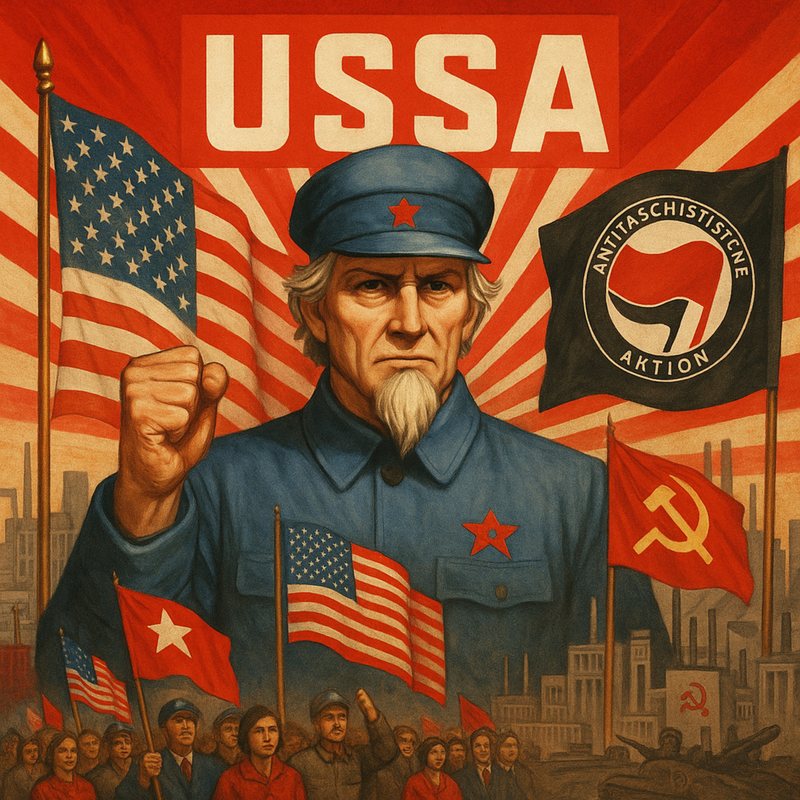
And this is the core puzzle, right? The essay points out that, I mean, just a little while ago, it felt like a lot of the mainstream conversation was about framing America's founding as, you know, a criminal project. And now, all of a sudden, that same culture seems to be wrapping itself in patriotic language again. So the source asks, what is behind this sudden reversal. The essay actually has a name for this feeling patriotic whiplash.
It contrasts the very recent past, where criticizing historical figures and institutions was pretty common, with this sudden new embrace of phrases like our Republic and the promise of America. Now, this is absolutely crucial, the source claims. This is not a genuine change of heart. It's not like a bunch of people suddenly rediscovered a deep love for their country. No, Instead the essay argues that this is a deliberate, calculated, strategic move. And this brings us right to the core thesis of the essay, a concept the author gives this really memorable name, The Great Patriotic Heist.
So what is the heist? Well, the essay defines it as this tactical takeover of patriotism by what it calls cultural elites. And the motive? According to the source, it's all about controlling the story of America, especially with its 250th anniversary just around the corner. The source breaks the whole logic down into 3 pretty simple steps.
First, there's a threat, the possibility of Donald Trump basically owning the narrative of the America 250 celebration. Second, there's a need you've got to create a powerful counter narrative to stop that. And 3rd, the tool. You take patriotism, a language that had been kind of seated to the right, and you rebrand it as a progressive value. This quote really captures the feeling the essay is trying to get across. It's arguing this new patriotism doesn't feel warm or real. Instead it feels conditional, almost like the country is being told sure we can love you, but only on these very specific pre approved terms.
And this leads us to the central conflict that the essay really builds its entire argument on this clash between two fundamentally different ways of thinking about love of country. So the source draws this really sharp contrast. On one side, you've got what it calls populist patriotism. It's described as raw, direct, maybe a little coarse, but authentic. On the other side, you have managerial patriotism. This is polished, strategic, and feels more like a simulation that's designed to control a message you know, for your own good.
What a metaphor, right? The essay uses this image to argue that this managed patriotism is like an artificial product. It's engineer to taste like the real thing, but it's missing that essential kind of messy substance. Now, the essay talks a lot about a specific group that it claims is behind this whole thing. It defines the managerial class not as our elected officials, but as the cultural gatekeepers think, producers, academics, bureaucrats, the people who shape how we think and what we talk about. All right, so to give this argument a bit more weight, the source text zooms way out.
It argues that this battle over what patriotism even means isn't new at all. It's actually a recurring theme in American history. This timeline from the source is fascinating. It shows how the very definition of patriotism has shifted to meet the needs of each era. It started as loyalty to an idea self rule back in 1776.
Then it became devotion to the Union during the Civil War. It turned into collective sacrifice during World War 2, and then this spontaneous pop culture party in 1976. After a short comeback post 911, it kind of fell under suspicion. The essay argues that today's version is something totally new, a tool for narrative control. This contrast is just so critical to the essays whole argument. It holds up the 1976 bicentennial as this carnival of belief, something that was spontaneous grassroots from the bottom up.
And then it predicts that the upcoming 250th anniversary in 2026 is going to be the exact opposite, a top down professional focus grouped marketing campaign. Now, the source doesn't just present one side of the story, it actually includes a counter argument. And it frames this whole debate as a question of theft versus, well, legitimate ownership. And here is that alternative view. This perspective basically argues that every generation has the right to reinterpret and redefine the country's founding principles.
So from this point of view, the progressive embrace of patriotism isn't some cynical heist. It's a totally legitimate act of inheritance. But despite acknowledging that counter argument, the essay comes down firmly on one side. It's final moral judgement is that what really matters most isn't the political content of patriotism, but it's authenticity. The source's closing argument is basically that this heist is doomed to fail, and not because of some big political fight, but because a performance of belief just can't last forever.
It argues that mimicry eventually gives itself away and a nation founded by rebels isn't going to be managed by life coaches. This is the essay's final, really powerful claim about the character of the country itself. It argues that at its core, America has this built in preference for authenticity, no matter how messy or ugly it might be over some perfectly crafted but totally false story. And that's really where this whole explainer of the essay leaves us. It boils the entire complicated debate down to a single, really provocative question.
Is true patriotism about presenting A flawless, inspiring narrative to the world? Or is it about grappling with an honest, complicated, and, yeah, sometimes unflattering story? The source has its answer, but the question is 1 for all of us to think about.