Read the full transcript (2,077 words, machine made)
Welcome to the deep dive. So you probably saw it just a few days ago, that post from David Pak. Man, it kind of sparked that familiar online buzz. Oh yeah, I saw that. One, it read, 67% of Americans, including half Republicans, think Trump is covering up Epstein, evidence he's losing his base fast.
And you know, if you were online, you felt that immediate surge, the likes, the comments all saying the cult is finally cracking or they're waking up. There was this real sense of catharsis, almost relief, like, OK, finally, finally things are shifting. It's a powerful feeling, right that the dam's about to break. And that specific reaction, that collective hope, well, that's exactly what brings us to our core question for this deep dive. Is this really the moment the collapse people expect?
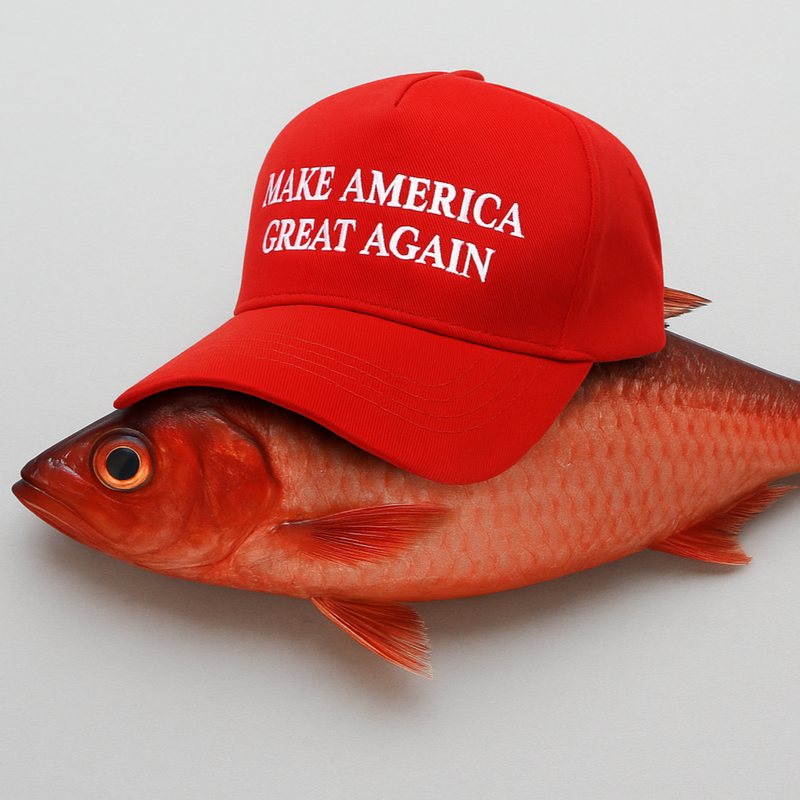
Or is something else going on or? Yeah. Is there maybe a much deeper misunderstanding about what that, you know, the Red Hat actually symbolizes and why some scandals, even ones that look really bad, just don't seem to land? OK, so our mission today is really to unpack those assumptions. Exactly because this whole deep dive is grounded in a really compelling analysis, we found it challenges those common ideas about political loyalty, about public trust. It's kind of a shortcut to understanding these weird dynamics.
Yeah, it offers a different lens. So let's unpack this then. I mean, think about it, How many times have we seen these attempts to engineer a political downfall and they just seem to to bounce right off? It feels like a lot. Our research shows people have been predicting this guy's political end since day one.
Pretty much. It's just been this parade, hasn't it? Indictments. Access Hollywood. Impeachment 1.
Impeachment 2. Ukraine classified documents. January 6th. Books, podcasts, poets or winning editorials, you name it. And every single time the narrative was the same, wasn't it?
OK, one more revelation, one more poll, one more gotcha moment, and that will finally shatter the illusion. But, well, here we are. And that's exactly where our source material really zeroes in with its main argument. The illusion, it argues, isn't actually with the supporters, it's with the people expecting the collapse. The core mistake, it says, is mistaking moral clarity for strategic leverage. OK, what does that mean exactly?
It means thinking that just because you feel you're morally right, that automatically gives you the power to change things, to sway people. This whole idea that the system corrects itself, that a facts alone will do the job well, that only really works when people still trust the system doing the correcting. And the crucial point here? The absolute key is that the Red Hat is seen as first and foremost a symbol of withdrawal from that trust. It's basically a statement saying we don't believe you anymore, whether you use the media, the government, the courts. Right.
They've checked out of trusting those traditional sources. Exactly. That's a really powerful idea, that breakdown of trust. But OK, if it's not just a cult and the system isn't self correcting for this group, what is? What actually holds this base together? Then let's shift focus.
This is where it gets really interesting, understanding who makes up this coalition. Yeah, it's super important to see. It's not just this amorphous BLOB of cultish loyalty, as the source puts it. It's described more as a layered coalition. And what binds them together isn't just one person.
What that person represents for them Things like defiance, vengeance, and symbolic inversion of a cultural order they believe has humiliated them. Humiliated them how? Well, for some it might stem from feeling left behind economically, the economic abandonment. For others, it could be religious displacement or cultural dislocation, or just feeling like they've spent years being told that. I don't know, their job, their accent, their skin color, even what they eat marks them as somehow backward or morally inferior. It's that deep feeling of being dismissed or looked down on by the mainstream culture.
Wow. The source we looked at uses such vivid language for this. It describes Trump as a middle finger wrapped in a flag, dipped in gold plating and shouted through a bullhorn. Yeah, that's quite an. And it points out his his vulgarity wasn't a bug, it was a feature. Meaning that rough around the edge of style wasn't a negative for his supporter, no.
Quite the opposite. It signaled he wasn't one of them. You know, the establishment, the elites they don't trust, and the contrast it draws is really stark. His sins are seen as pedestrian and televised, sort of obvious and out there. Relatable. Almost.
While the sins of the elite are perceived as whispered, obfuscated and ritualized, hidden, complex, maybe even sinister, very different categories of wrongdoing in their eyes. And what's really fascinating connecting from that is how this whole perspective helps explain why something like the Epstein allegations just don't seem to register with this base, OK? Yeah, how does that? Work well. The analysis digs into what it calls the populist right cosmology, basically the underlying worldview of this group.
And within that worldview there's often this pre-existing almost automatic assumption that everyone in power is complicit in child trafficking, satanic ritual and globalist blackmail networks. It's a dark view. So they already suspect the worst of the powerful. Pretty much. They don't necessarily need hard proof in the way others might demand it.
Their belief system operates more on archetype, on fundamental character types and narratives rather than just evidence. OK. So if that's the assumed background radiation, sort of where does Trump fit into that picture for them? He's obviously powerful and was connected. That's the key distinction. Within that specific framework, Trump isn't cast as one of the insiders, one of the predators in this Dark World. Yeah, he's consistently seen as the outsider, the one who wasn't invited to the real party, the one who wasn't initiated. So while they might see him as crude, maybe greedy, even pervy in their eyes, he's definitely not the kind of person involved in those really dark, almost fantastical rituals some theories talk about.
Like sipping adrenochrome with Klaus Schwab as the source puts. Exactly that kind of thing. He's painted more like the guy who is rich enough to get close to the temple, but dumb enough to speak about it too loudly, too publicly, and with too much Queen's bravado to ever be trusted by the real devils in the room. So his perceived flaws actually reinforce his outsider status in this context. Precisely, that's why even groups like you and I never really placed him inside the supposed pedo cult.
He was always positioned as its would be exposer, the one fighting against it, not part of it. That's a completely different way of processing those kinds of allegations. It really is. And if we connect this to the bigger picture, it's also important to remember Trump's fundamental nature. According to this analysis, he's not really an ideologue in the traditional sense, OK? He is first and foremost an operator. He's transactional.
You know he wrote Art of the Deal, not Mein Kampf. Right at the dealmaker. Yeah, he's described almost like bubble with a red tie, that kind of direct, maybe even contradictory style. A negotiator who uses momentum and contradiction, not fixed doctrine. OK. So he's pragmatic, maybe transactional. Very much so, and understanding that leads to maybe the most surprising conclusion in the analysis. Which is that?
The real danger to Trump has never come from the left. It comes from his own right flank. From his own side. Yes, specifically from quote the ones who have radicalized themselves into purity spiral suicide vests. Wow.
OK, what does that mean? It means those who are so rigid in their ideology, so focused on purity, that they'll attack anyone, even potential allies like Trump, if they perceive any deviation or compromise. The source specifically points to groups like the Bannonists and the Flintists. And this connects to that term. The source uses woke MAGA, which sounds counterintuitive. It does, but the source clarifies it's not saying they share ideology with the progressive left. Not at all.
It's saying they've adopted the same absolutist logic, the same refusal to horse trade, the same posture of moral purity wrapped in revolutionary urgency. It's a similarity in tactics and mindset, not beliefs. So it's that uncompromising all or nothing approach. Exactly. And according to this view, these are the people calling Trump a coward now, not the liberals.
They're the ones attacking him from the right for not being extreme enough or pure enough. It's like they're eating their own in a way. That's a good way to put it. And This is why the ultimate conclusion from our source material is that Trump isn't losing his base. Not the core base, anyway. He's shedding the performative fringes, kind of burning off the radicalized fat.
OK. The analysis argues his enduring core base remains solid. Who are they? The ones who voted for deportation jobs, National pride? A nation that isn't ashamed to still have borders or a flag? The fundamentals.
And the others, the loud ones online maybe? The influencers, the content spinners, the Never Trump folks who flipped the Epstein watching purity types. The source basically dismisses them as just white noise. Wow. Or worse, useful idiots chasing shadows. That's harsh, but it paints a clear picture of their argument. So bringing it back, when we see a poll like the Pac-Man one or any headline claiming a big shift, what does this analysis tell us about how we should interpret that as people just trying to follow the news?
Well, what that Pac-Man tweet really represents, according to this analysis, is something much bigger and older. It's called the perennial liberal fantasy. OK, the fantasy is that the system will self correct once the facts are clear enough. It's this deep seated belief that you know, a majority poll means a majority shift in power. Right, that numbers automatically translate.
And that underlying assumption that everyone still lives in a shared moral reality where shame is effective, where scandal breaks loyalty, and where the right truth at the right every time makes the Empire blink. But the argument is that's not the world we live in. The analysis puts it bluntly. That world no longer exists. Maybe it never did, but it certainly doesn't now. So what are we actually seeing when these poles or scandals hit?
We're seeing quote, not the Red Hat unraveling. We're watching people chase a red herring again. Chasing a red herring meaning. Meaning they've mistaken performative disapproval, like someone answering a poll question unfavorably, for actual erosion of support. They've confused a flash of discontent in a poll with a sea change in allegiance. It's seeing what they hope to see, essentially. And the source predicts this cycle will just keep going. Yeah, and they'll do it again next week when some new headlines, some new gaffe, some new out of context quote confirms their hope that this time it's different. It becomes this almost predictable pattern. So the crucial take away, then, from this whole deep dive seems pretty clear.
Unless you really understand what the Red Hat meant and still means for those core supporters, these political ups and downs, these moments that feel like breakthroughs, they're just going to keep surprising you, maybe frustrating you. Because the simple, maybe uncomfortable truth, as this analysis argues it is that it isn't different this time. And until that basic dynamic is grasped, until the reasons for that loyalty, that withdrawal of trust, are understood, then all these attempts to force a change, to land a killer blow, they'll just keep missing the mark. How does the source put it? It said they'll keep pulling the trigger on kill shots that land like Nerf darts in a storm.
Wow, Nerf darts in a storm. That's quite the image it is. And the final image the source leaves us with is just. And Trump, grotesque and golden, will keep walking. It really makes you think, doesn't it?
Maybe consider how this analysis changes how you look at the next pool, the next headline.